Kurseong Valley · Darjeeling · Est. 1888
Giddapahar.
One hillside above Kurseong. Every tea we carry begins here.
Where is Giddapahar Tea Estate?
High on the Kurseong ridge.
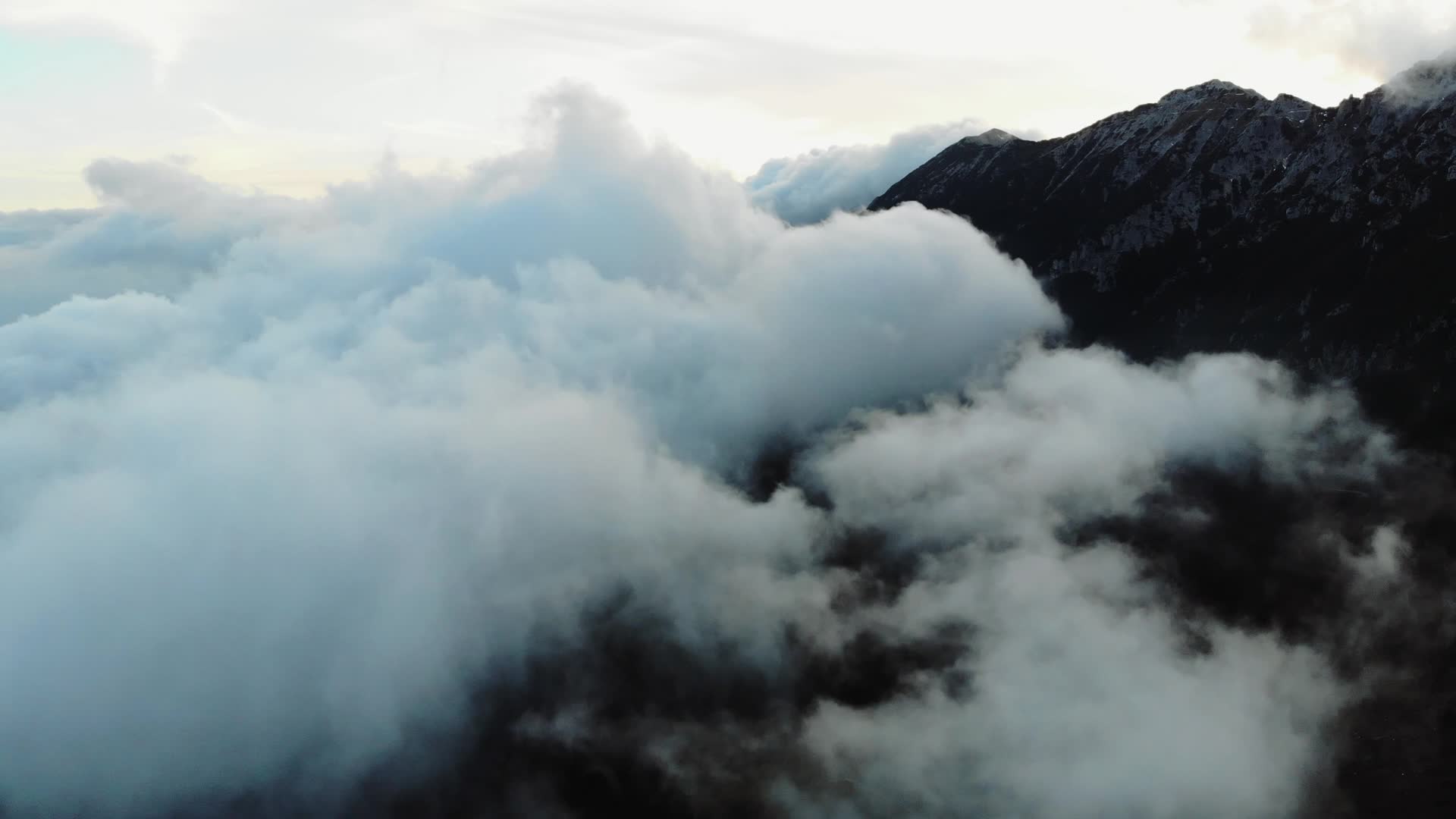
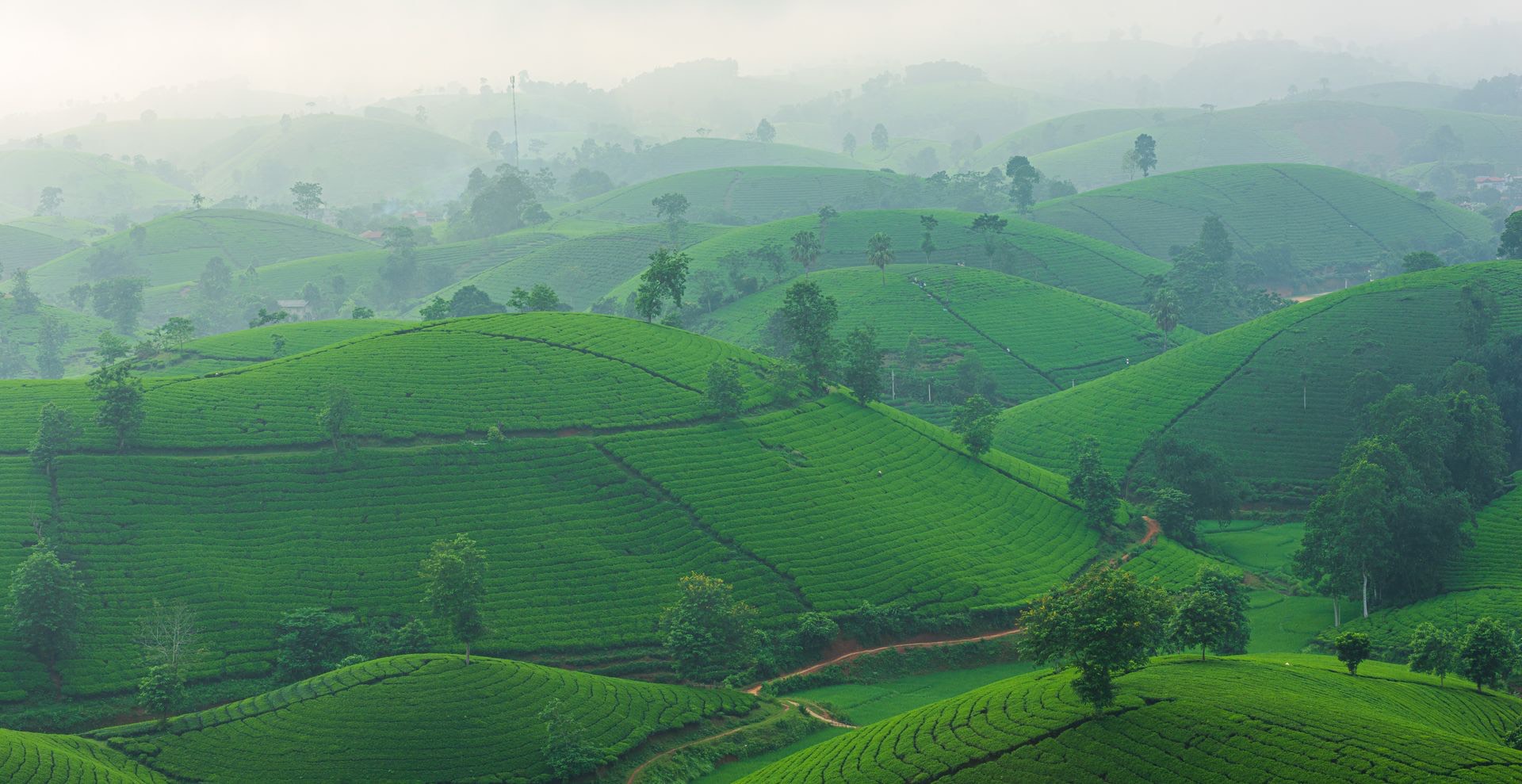
The garden sits on the steep flanks of the Kurseong valley, in the Darjeeling hills of West Bengal. Its bushes climb from about 4,500 feet toward 5,200 — high enough that cloud moves through the rows most mornings, and the leaf grows slowly in cool, thin air.
Slow growth is the point. At this altitude the bush concentrates its character into less leaf: smaller harvests, finer cups. The mist does the rest — softening the sun, holding the moisture, keeping the hillside a few degrees from ever being hurried.
4,500ft
Base elevation
5,200ft
Upper slopes
1888
Established
The Eagle’s Cliff, planted in 1888.
Is Giddapahar a GI-registered Darjeeling garden?
How is Giddapahar tea made?
Hand-supervised, at every stage.
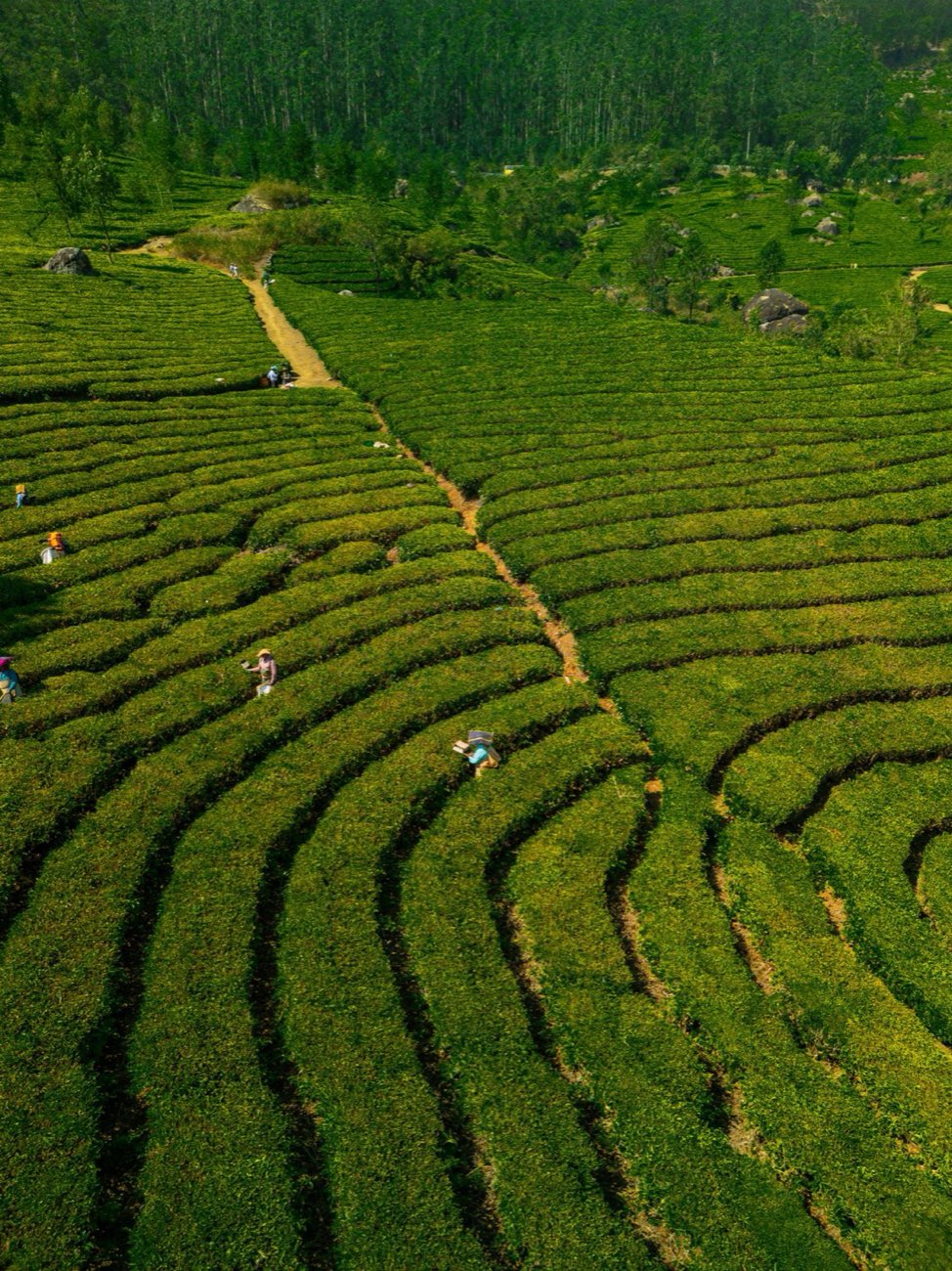
The pluck is two leaves and a bud, taken by hand in the cool of the morning. From there the leaf moves through the orthodox method — withering, rolling, oxidation, firing, sorting — each stage watched over by people rather than run to a timer. On a garden this small, the maker tastes every invoice before it carries the estate’s name.
Two leaves and a bud
The plucking standard, unchanged since the garden was planted. Selective by definition — a machine cannot make this choice.
Rolled, not torn
Orthodox rolling keeps the leaf whole, so the cup keeps its layers. The craft, step by step →
Tasted, then named
Every lot is cupped at the estate before it is released. Only then does it earn the name and the date on the tin.
When is Giddapahar harvested?
First Flush
Mar – Apr
Second Flush
Jun – Jul
Monsoon
Jul – SepIn Season
Autumn Flush
Oct – Nov
The teas of Giddapahar.
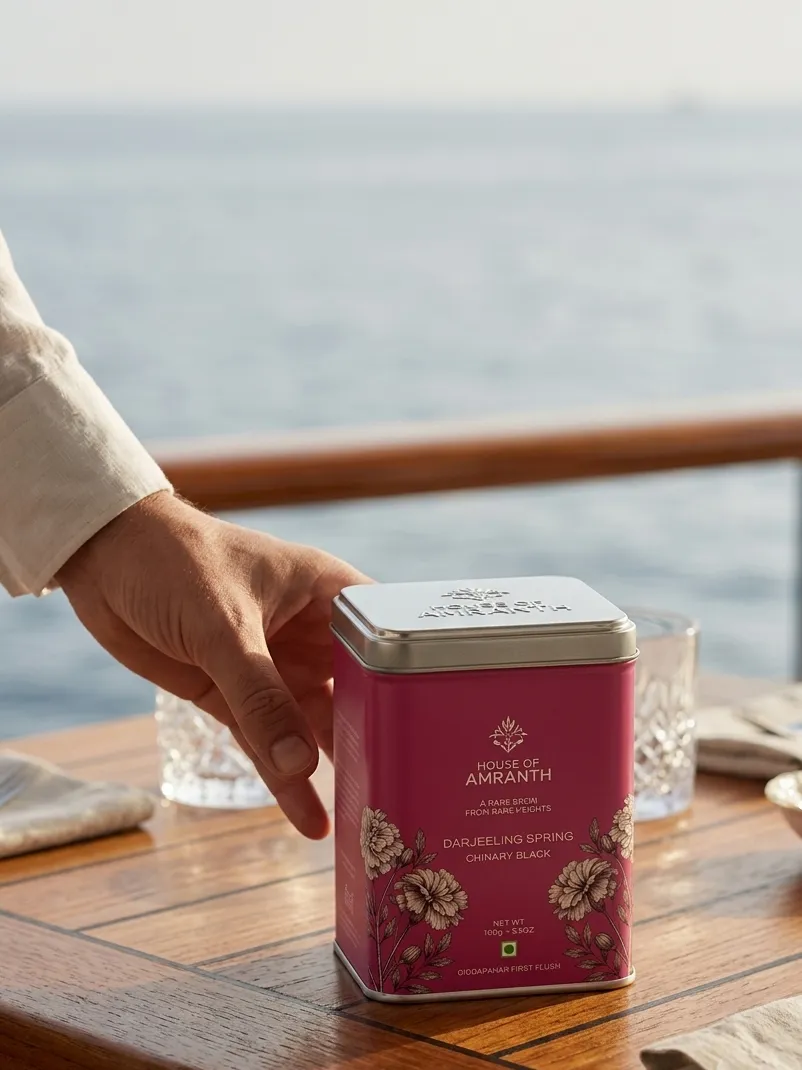
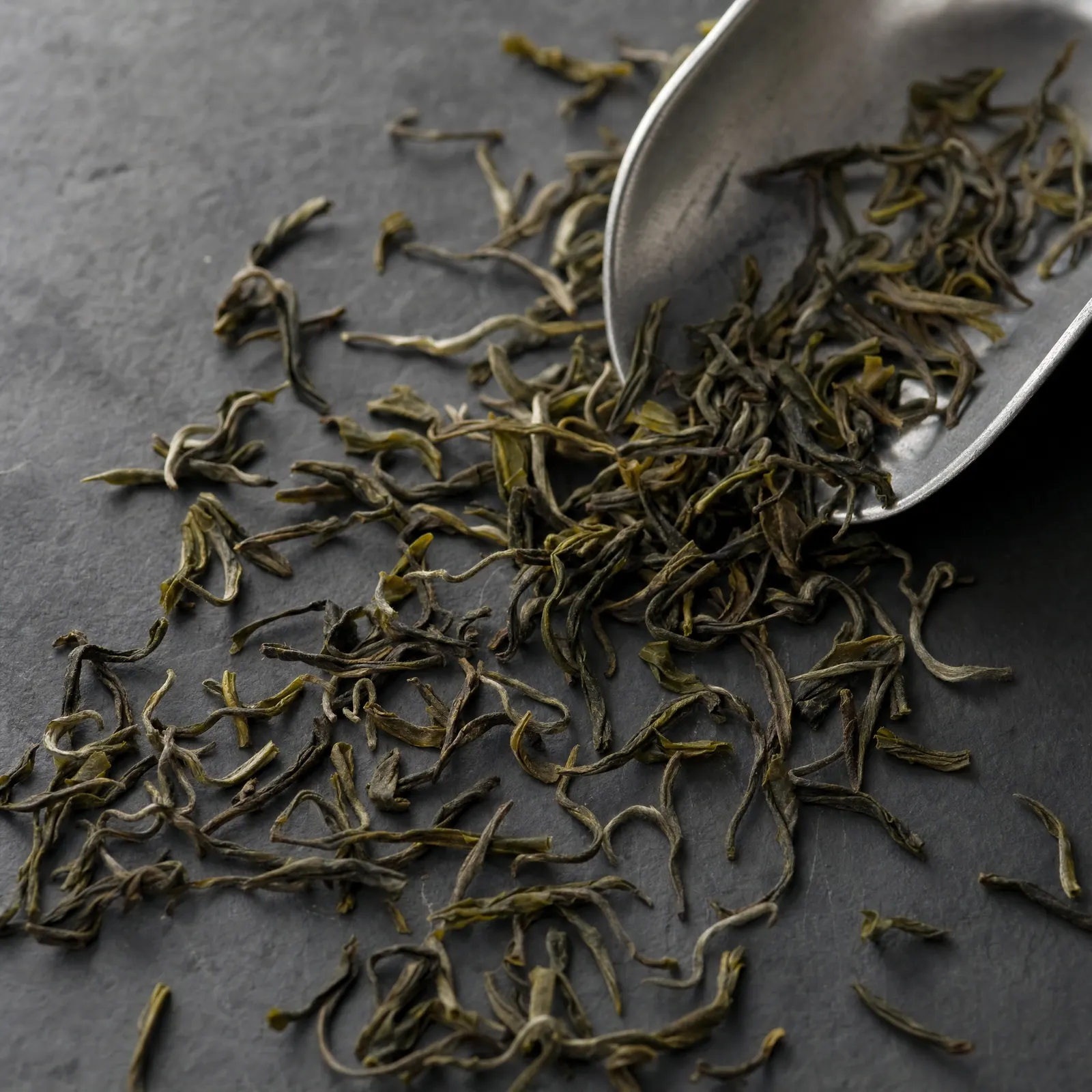
First Flush · Spring
Spring Chinary Black

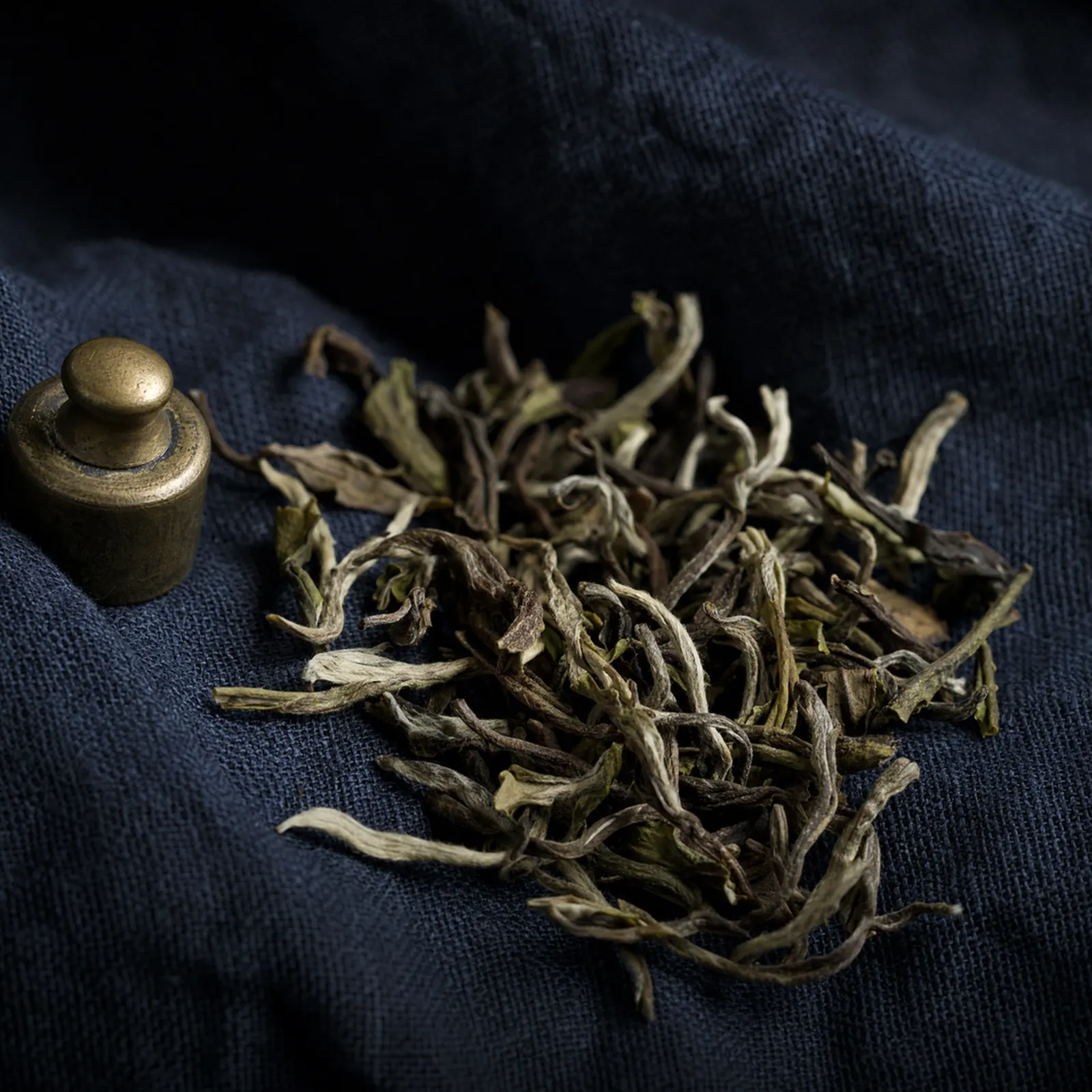
First Flush · Spring
Spring Clonal Black
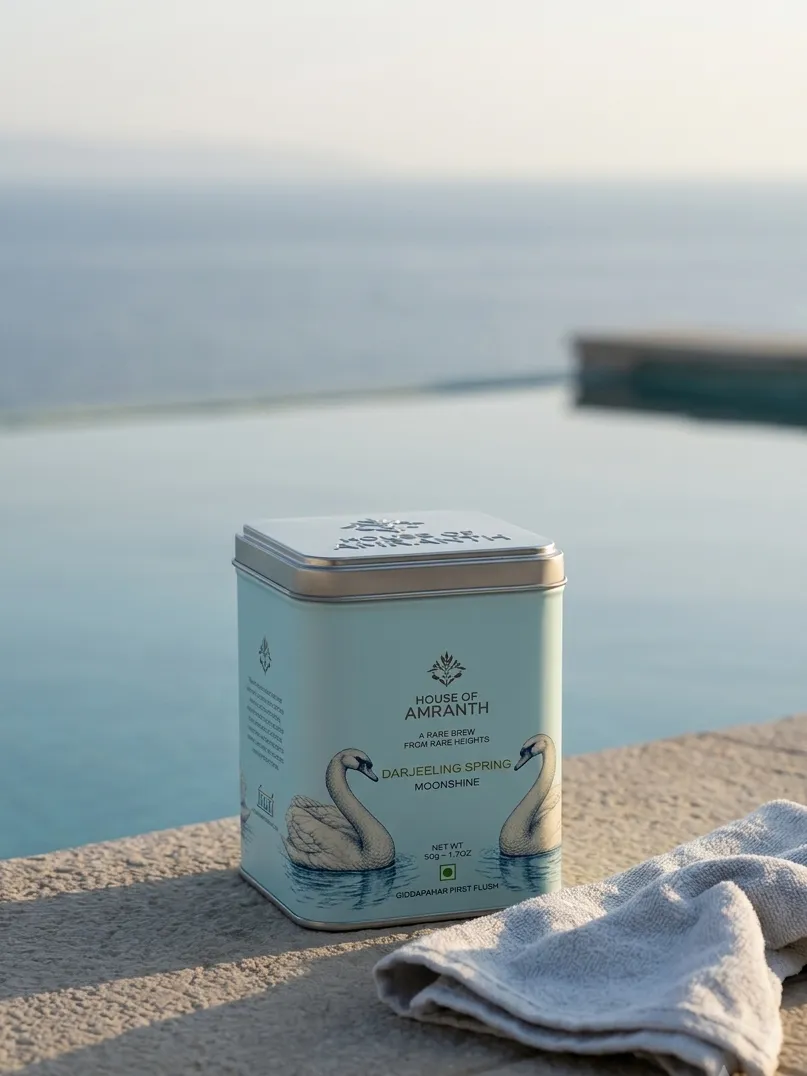
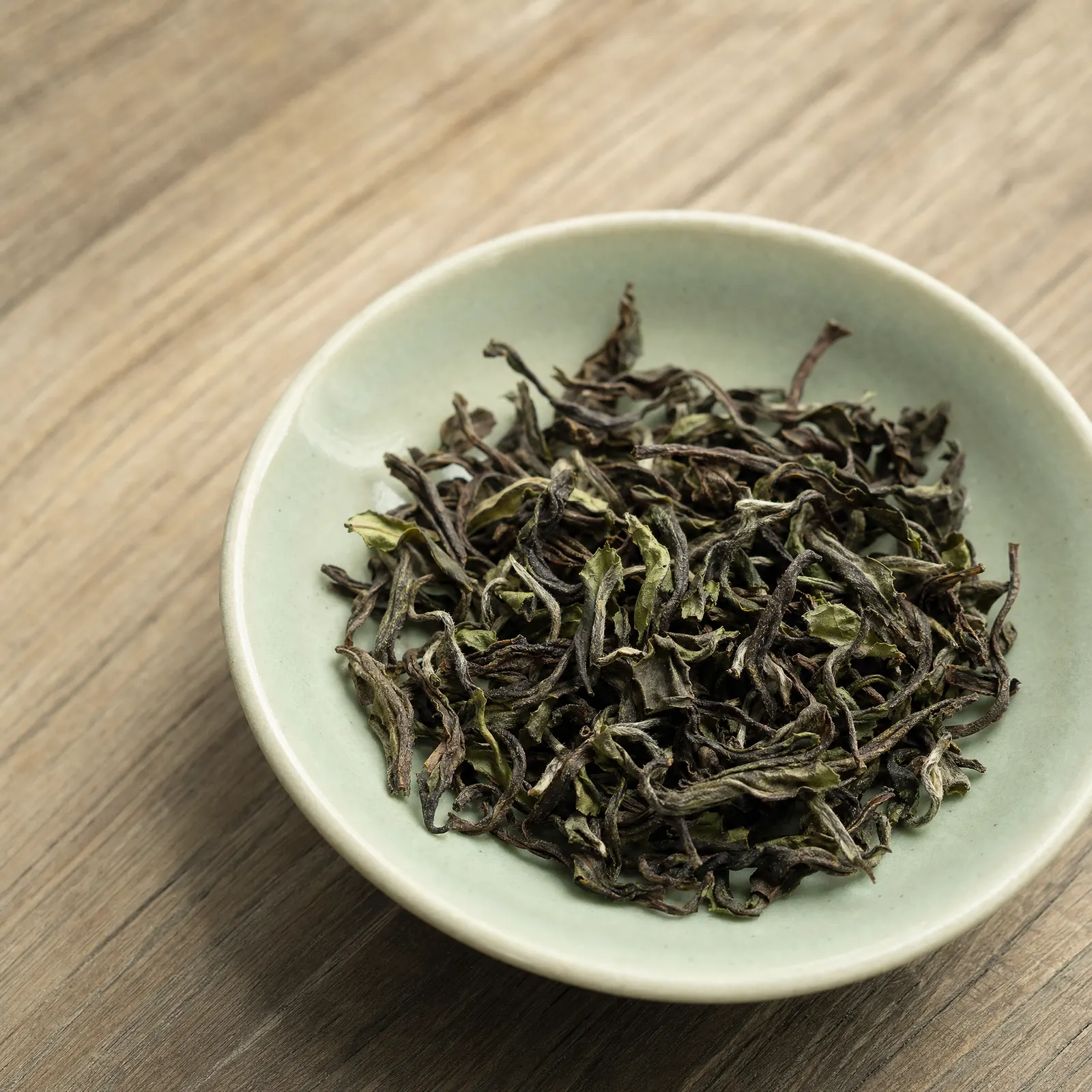
First Flush · Oolong
Spring Moonshine
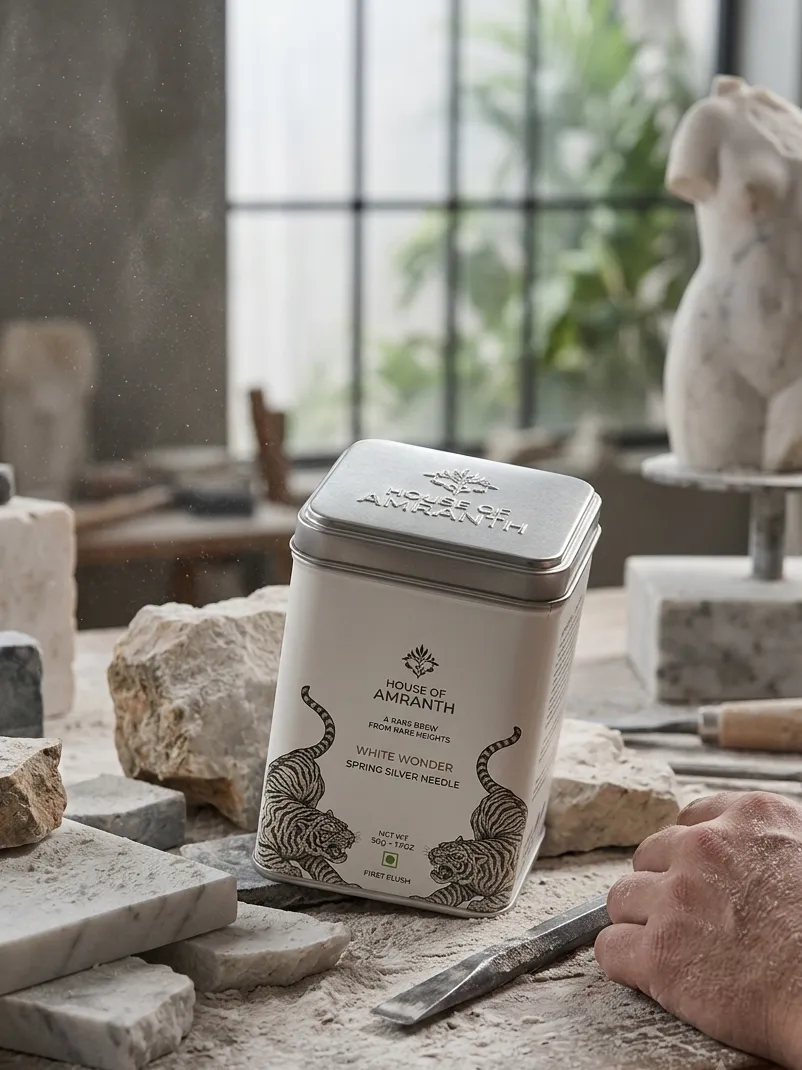
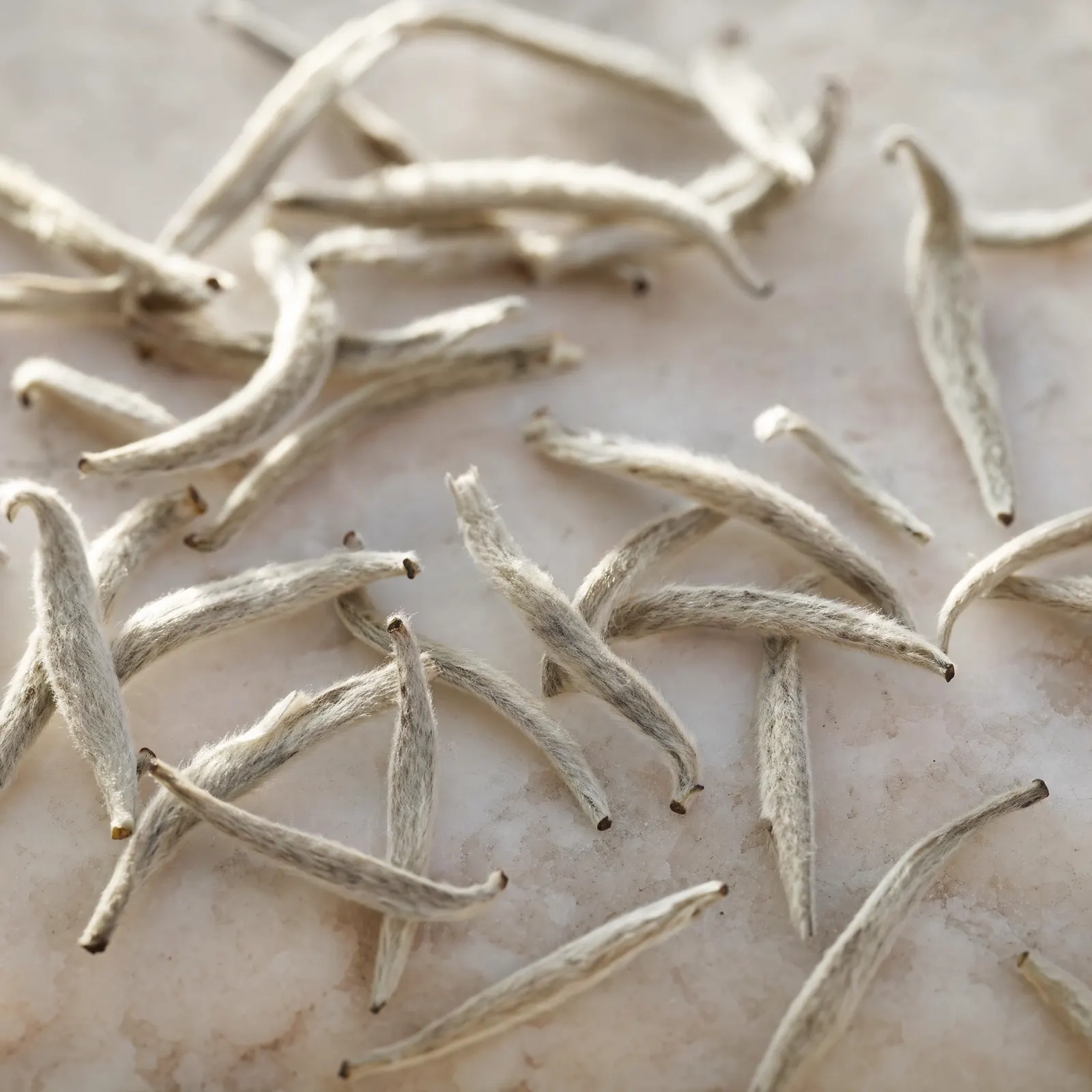
First Flush · White
White Wonder
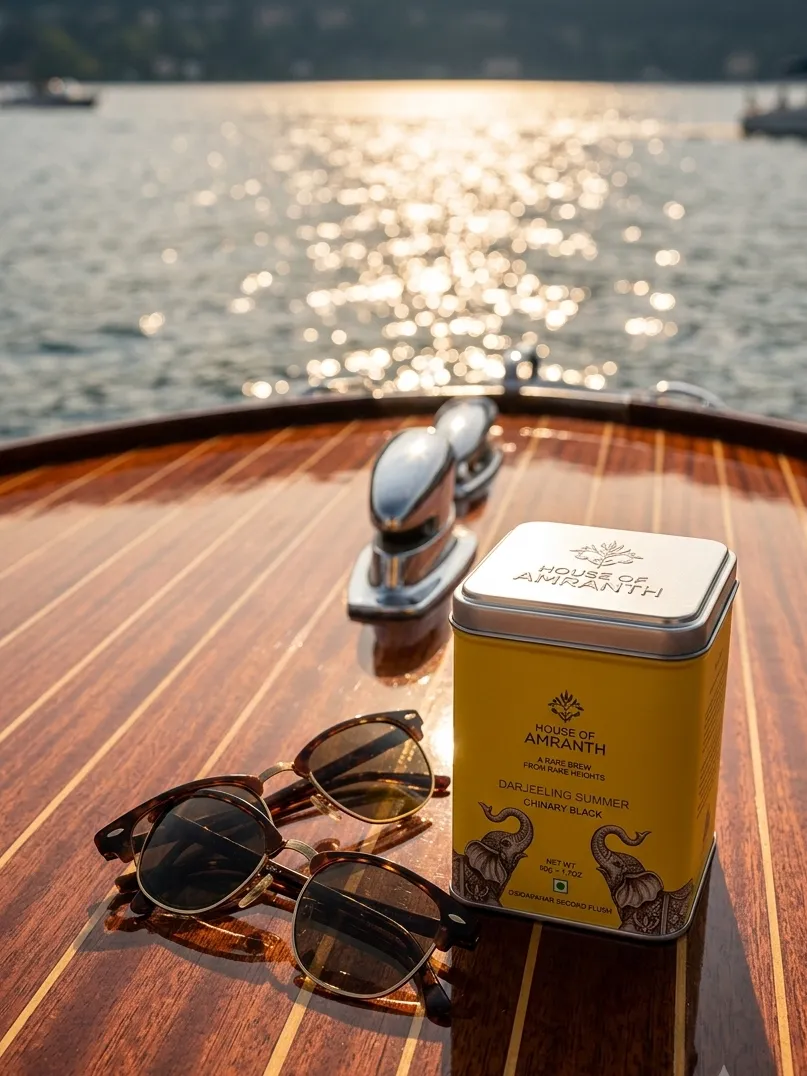
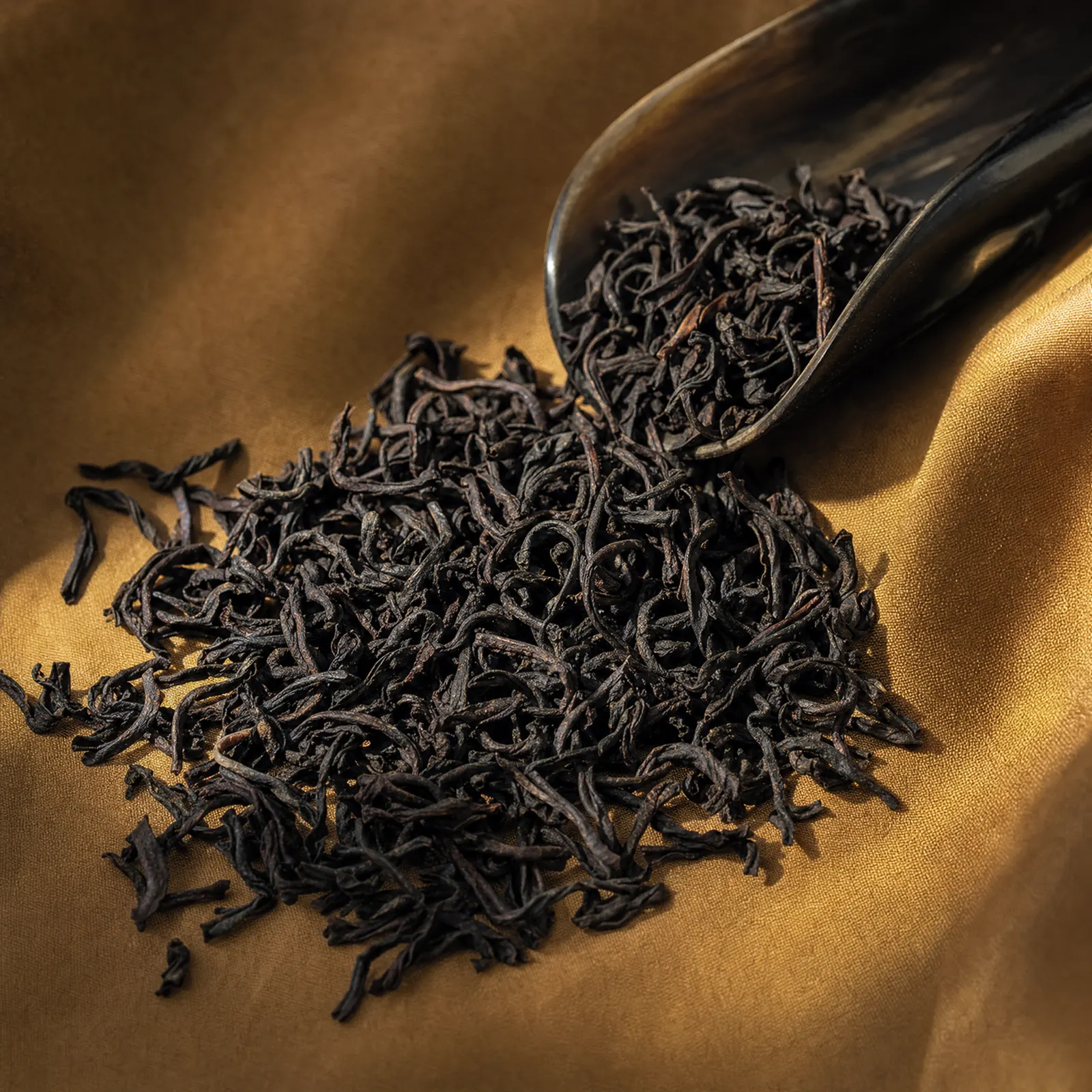
Second Flush · Summer
Summer Chinary Black
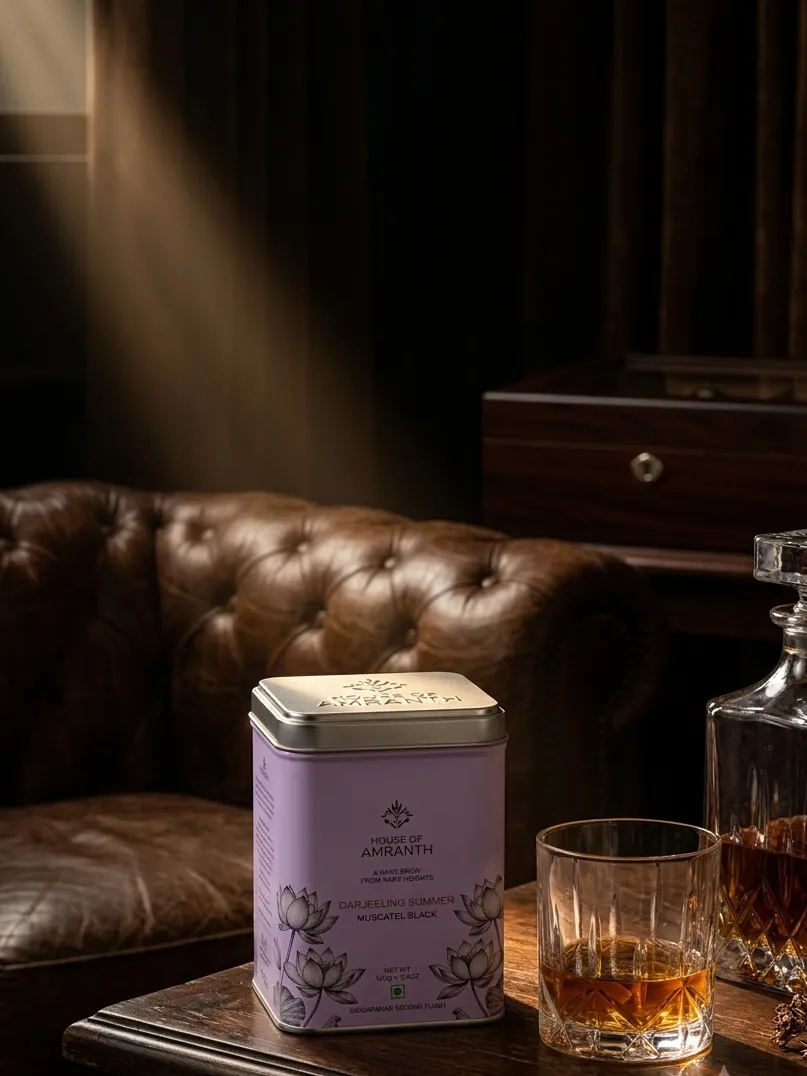
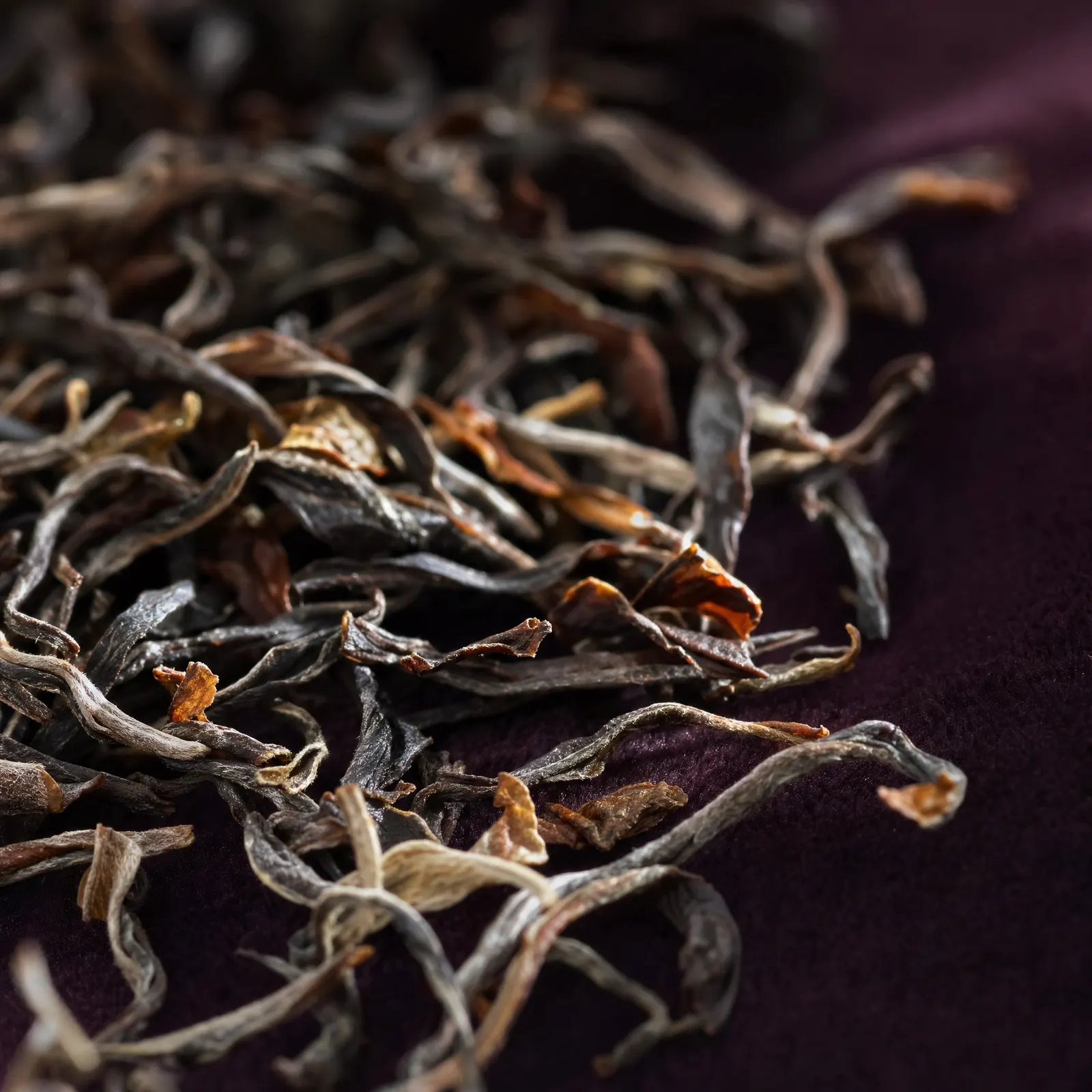
Second Flush · Summer
Summer Muscatel Black
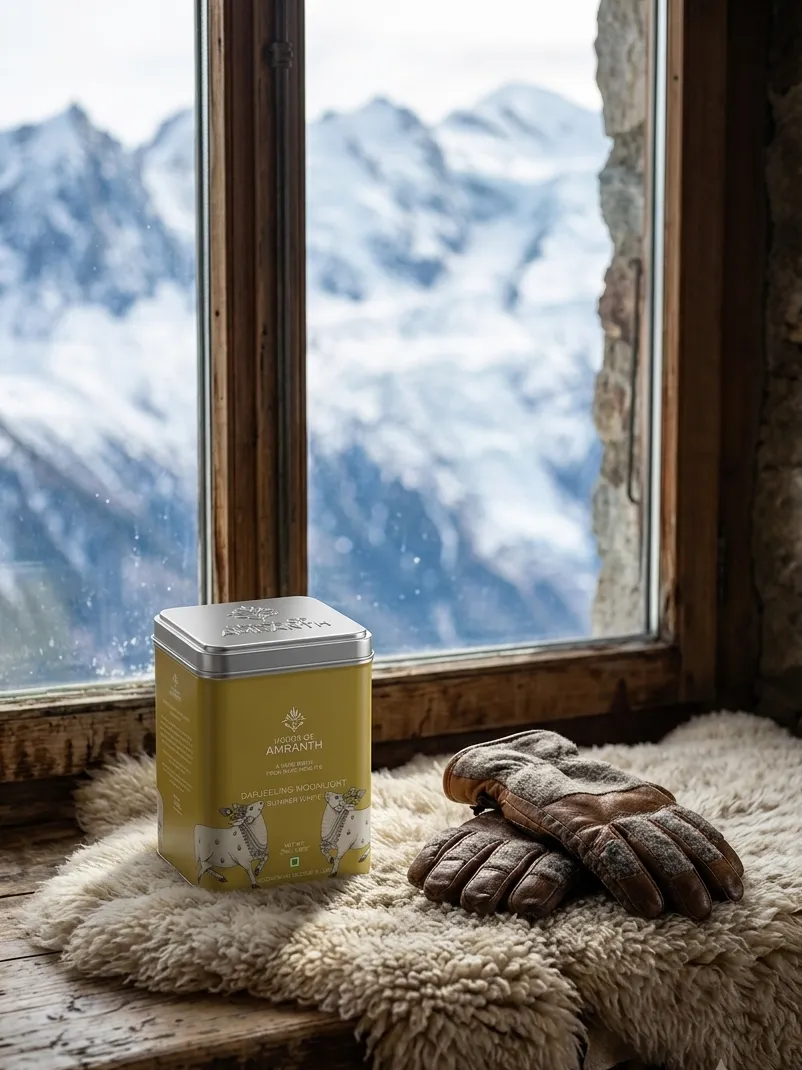
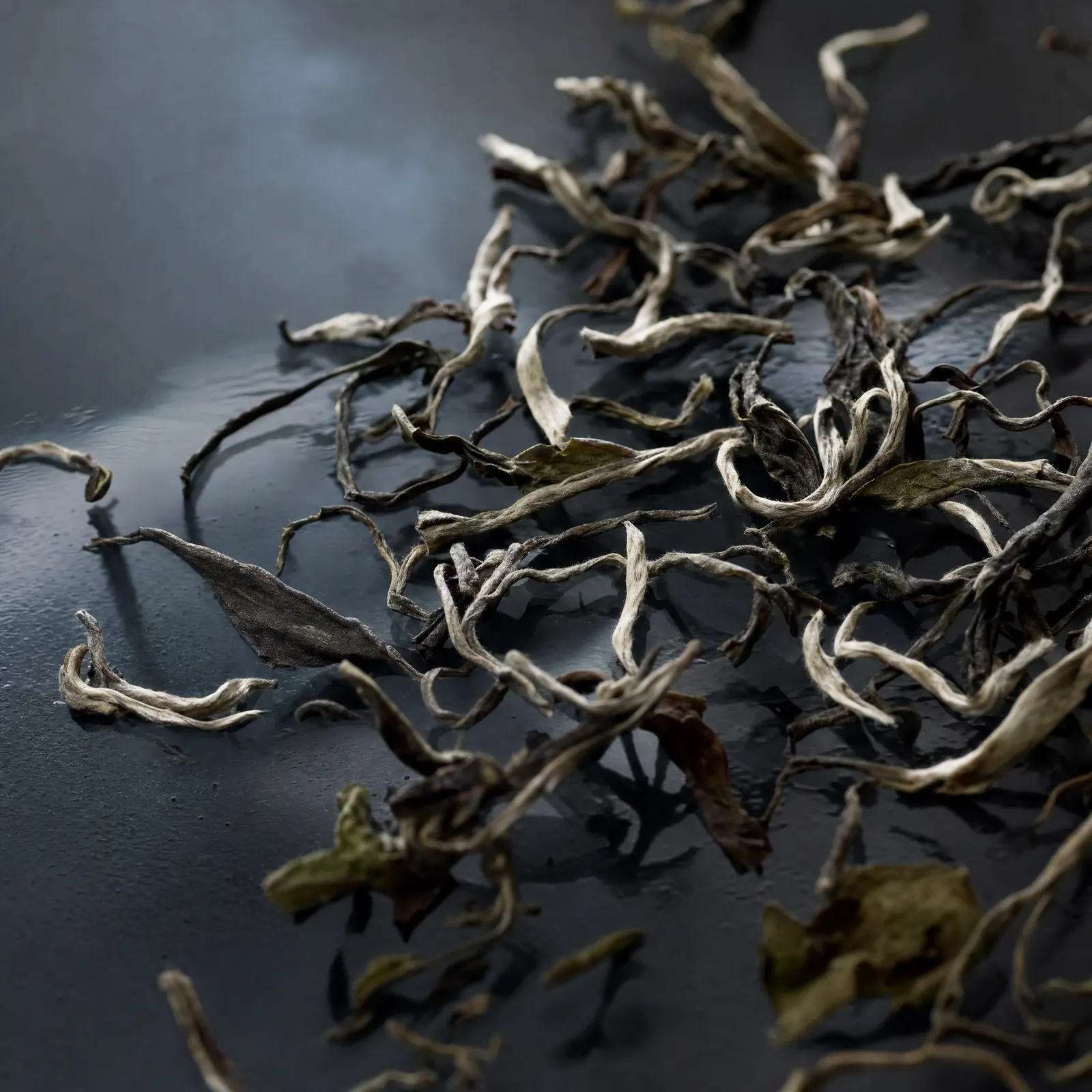
Second Flush · White
Moonlight Summer White
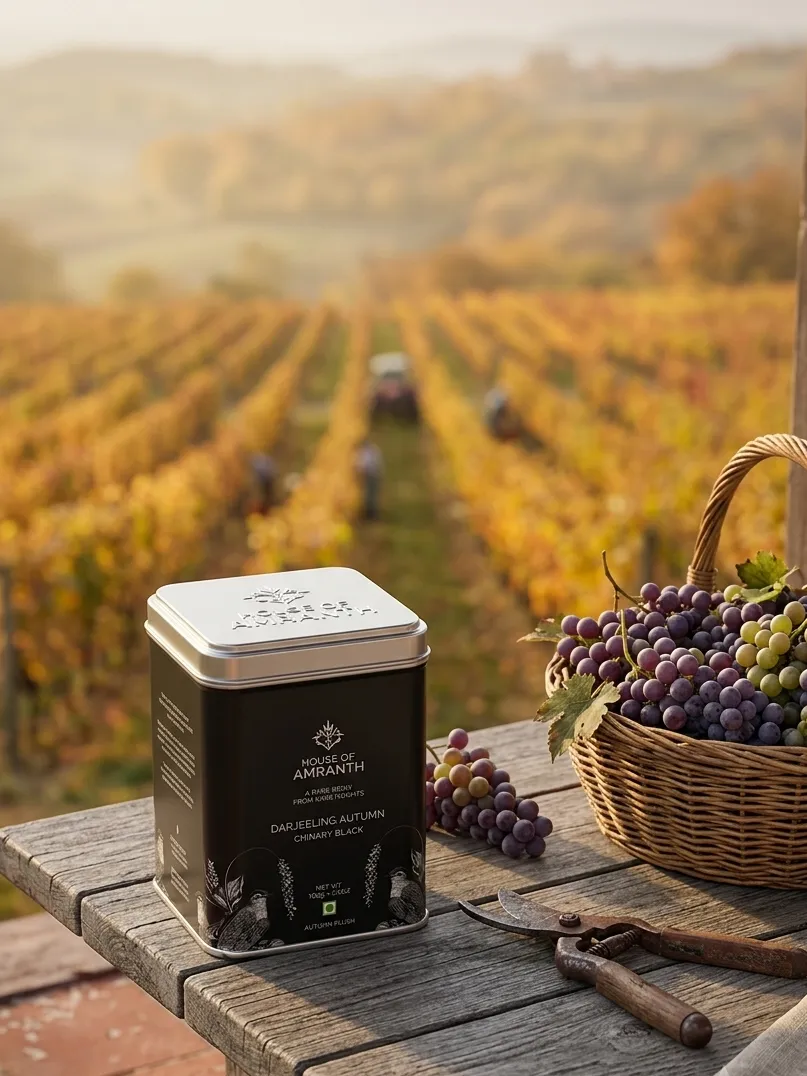
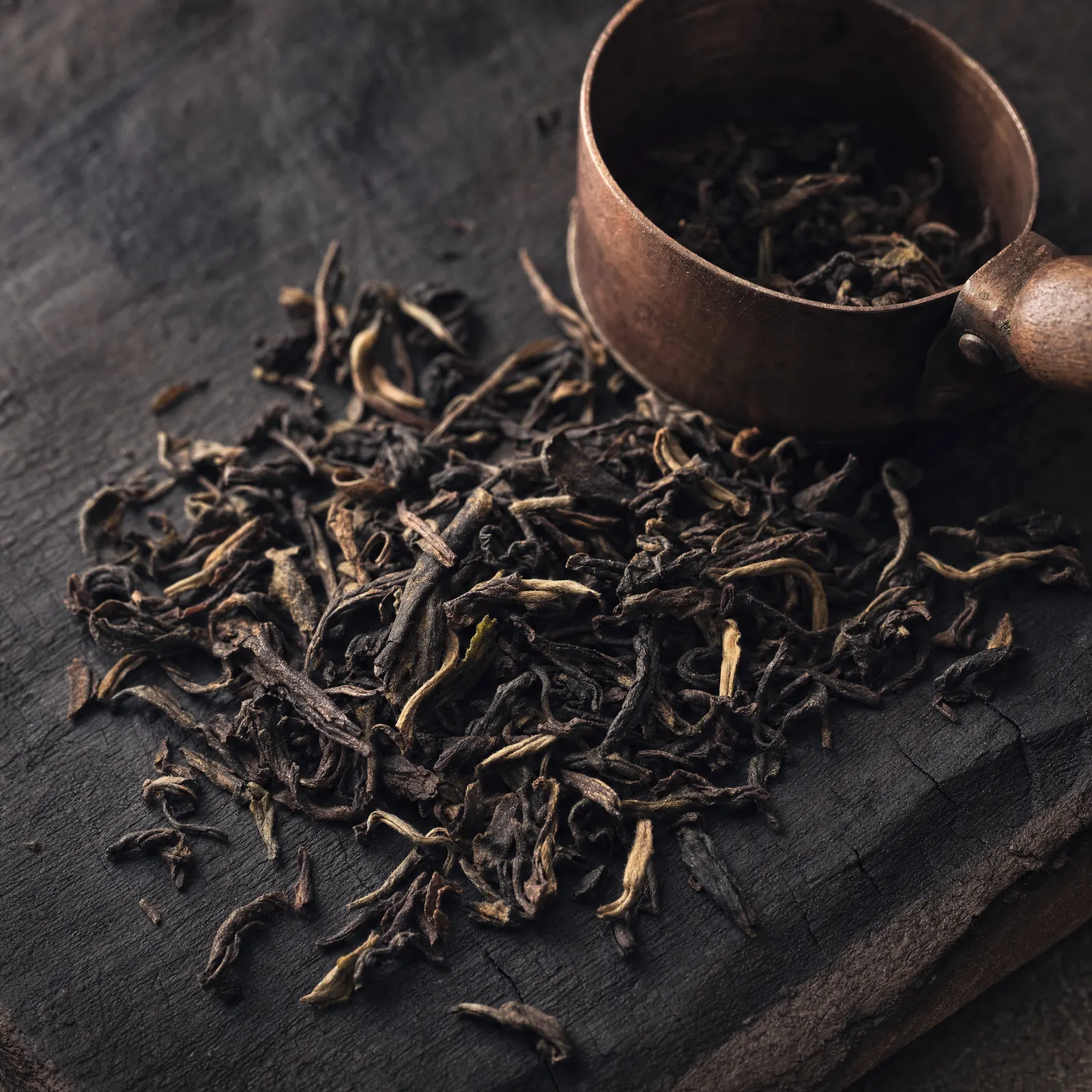
Autumn Flush
Autumn Chinary Black
 In season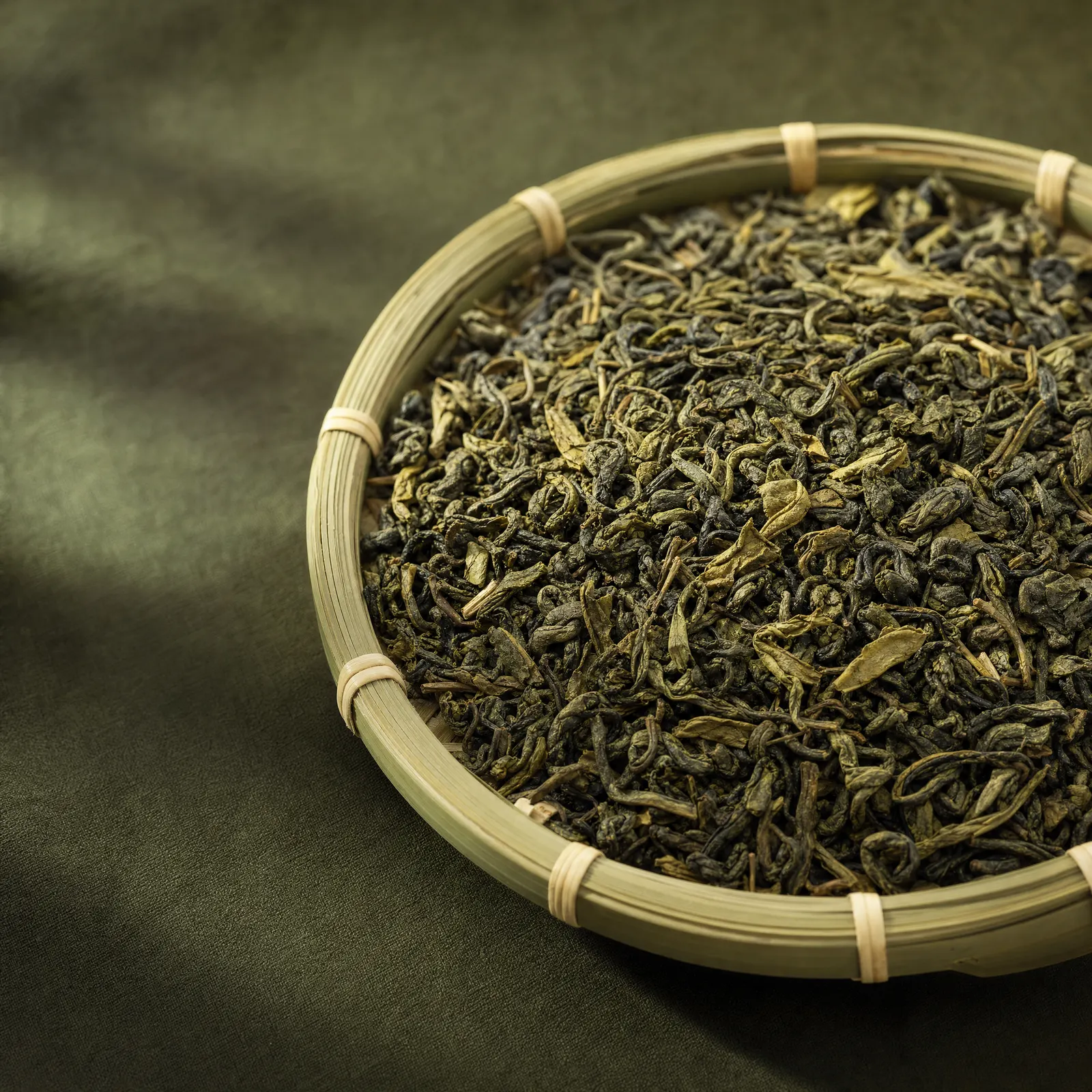
Monsoon Flush · Green
Darjeeling Green
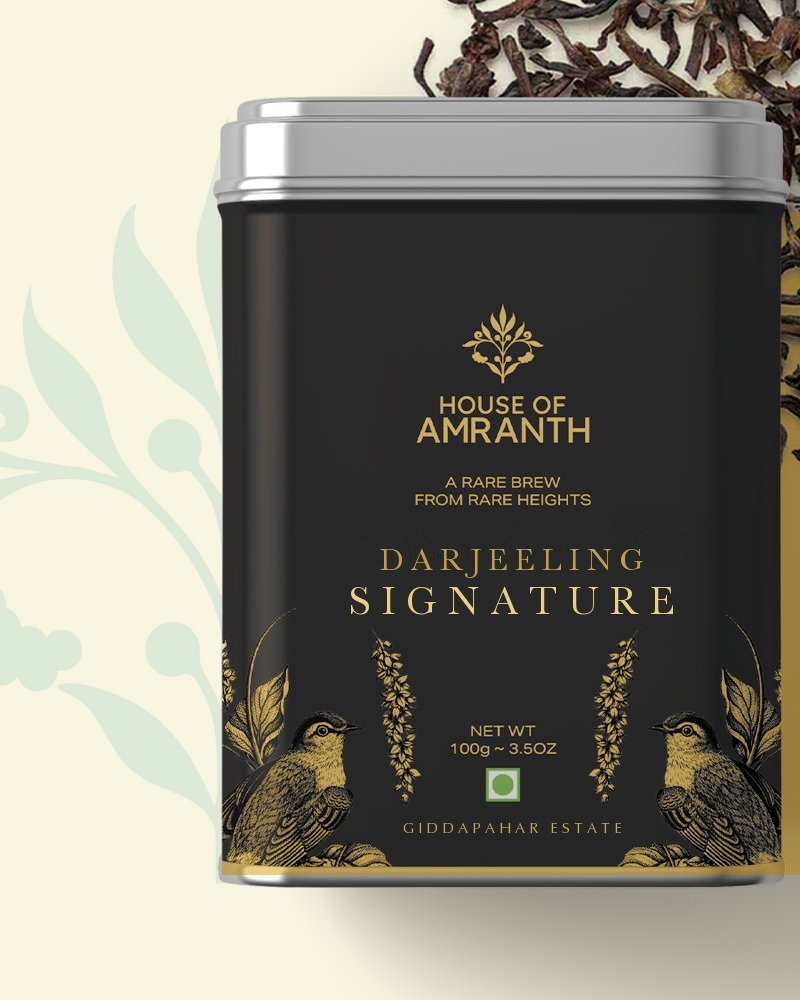
The House Selection